- +91 9890849052
- datawhiz360@gmail.com

Learn essential data science skills, including statistics, data wrangling, and visualization with Python and R. Master data handling, exploratory analysis, and machine learning algorithms, using libraries like Pandas and Scikit-learn. Gain hands-on experience through real-world projects to excel in data-driven insights.
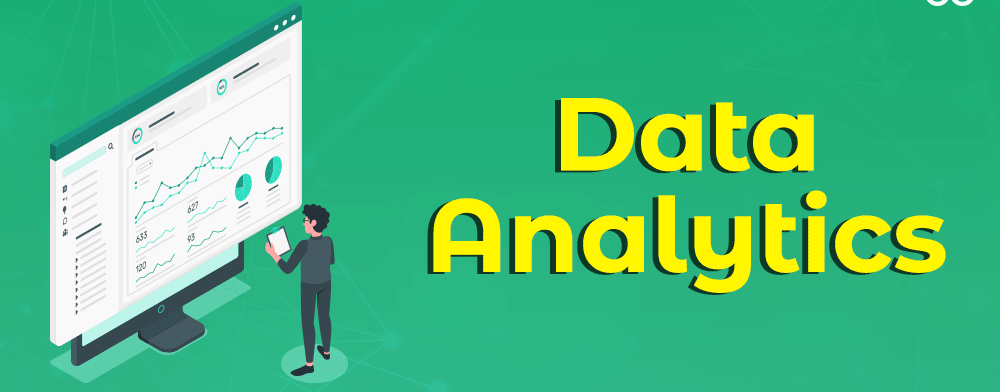
Develop core skills in data collection, cleaning, and visualization using Excel, SQL, and Python. Learn to use analytical libraries like Pandas and Matplotlib, and apply techniques through practical projects to transform data into actionable insights for decision-making.
Master Power BI for creating interactive dashboards and reports. Learn data integration, transformation, and visualization using DAX for advanced calculations. Gain practical experience by connecting to various data sources and designing effective visual representations.
Get trained in full-stack development with Python, including Django for back-end and JavaScript frameworks like React for front-end. Learn database management, API integration, and project deployment using best practices and tools like Docker.
Enhance your Python skills with advanced topics such as object-oriented programming, decorators, and context managers. Learn about asynchronous programming, multi-threading, and performance optimization. Practical projects will deepen your understanding of Python’s advanced features for efficient coding and problem-solving.
Explore generative AI techniques including GANs (Generative Adversarial Networks) and VAEs (Variational Autoencoders). Learn to create models that generate new data, such as images and text. Gain hands-on experience with popular frameworks like TensorFlow and PyTorch to build and deploy generative AI solutions.
Explore machine learning concepts including supervised and unsupervised learning, model evaluation, and advanced algorithms with tools like Scikit-learn and TensorFlow. Develop, train, and deploy models through hands-on projects to solve complex data problems.
Dive into deep learning with a focus on neural networks, CNNs (Convolutional Neural Networks), and RNNs (Recurrent Neural Networks). Understand model architectures, training techniques, and optimization strategies. Use frameworks like TensorFlow and Keras to work on real-world projects and develop complex models.
Master SQL for effective database management, including writing complex queries, creating and modifying tables, and optimizing performance. Learn advanced topics like stored procedures, triggers, and transactions. Apply these skills in hands-on projects to manage and analyze relational databases efficiently.
Click to Join Demo